Adaptive Swim Lessons
- Home
- Service
- Adaptive Swim Lessons
Adaptive Swim Lessons
Every swimmer deserves the opportunity to learn water safety skills and experience the joy of being comfortable in the water. For children with physical, cognitive, sensory, or developmental differences, finding swim instruction that truly understands their needs and adapts to how they learn can make the difference between struggle and success.
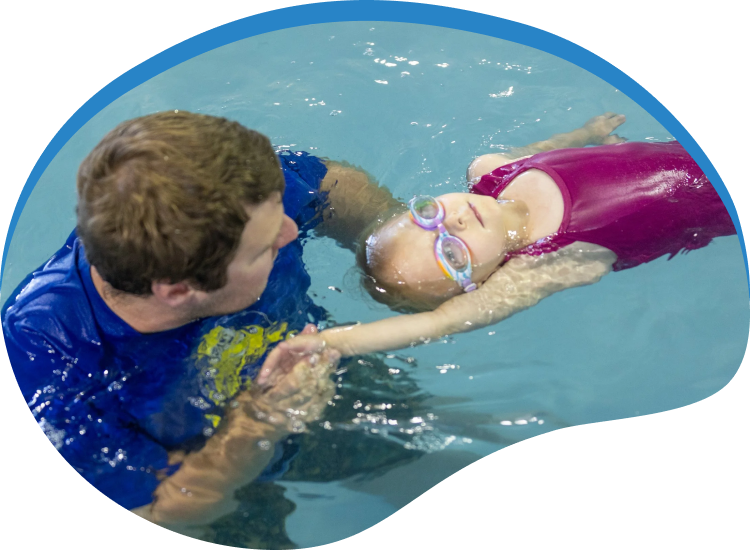
At Little Fins Swim School, adaptive swim lessons use the same one-on-one structure as all our private instruction, but incorporate specialized teaching techniques designed specifically for swimmers who learn differently. Our instructors receive training in adaptive methods that address the wide range of needs we see in Colorado Springs families. They understand how to adjust communication styles for different processing types, modify physical assistance based on individual mobility or coordination challenges, control sensory input like sound levels and visual stimulation, and pace lessons according to each swimmer’s processing time without the pressure that comes from group schedules.
Learning to swim is essential for safety and opens up opportunities for recreation, therapy, and independence that last a lifetime. Adaptive lessons at Little Fins cost the same as standard private instruction because we believe specialized attention shouldn’t carry premium pricing. Water safety belongs to everyone.
Ready to explore how adaptive instruction can work for your swimmer? Call Little Fins Swim School at (719) 344-5328 or schedule a trial assessment lesson to discuss your child’s specific needs and goals.
How Adaptive Teaching Works in One-on-One Lessons
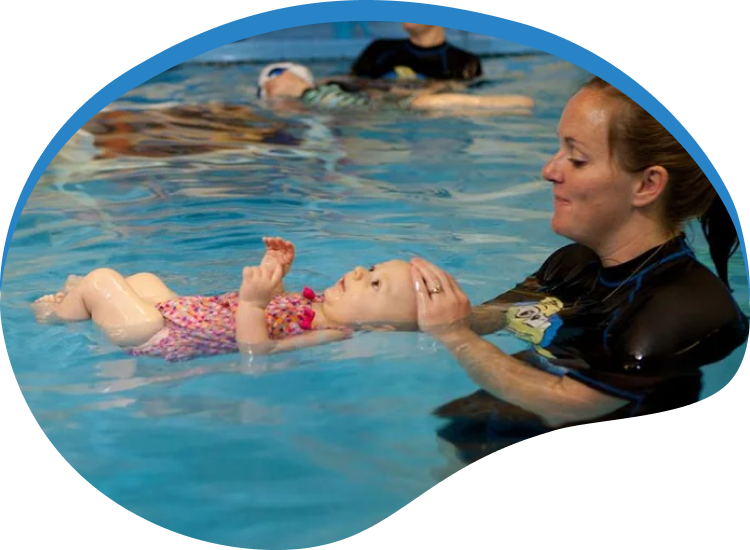
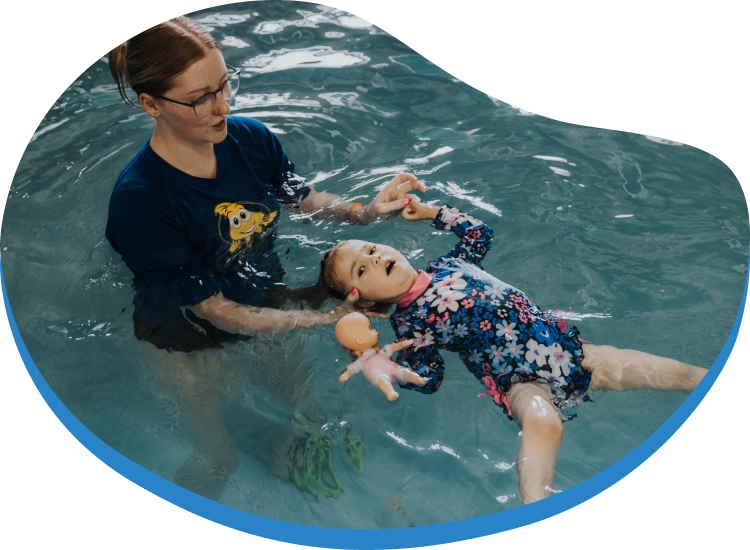
Adaptive swim lessons at Little Fins use the same 30-minute, one-instructor-to-one-swimmer format as all our private instruction. The difference lies in how instructors apply specialized teaching techniques that address each swimmer’s unique learning considerations.
When an instructor works with just one swimmer, they can control the variables in the learning environment. For children with sensory sensitivities, instructors adjust sound levels, manage visual distractions, and work with water temperature awareness. Our 94-degree pools help, though some swimmers still need extra time to adjust.
Communication methods adapt completely to what works for your child. If verbal instructions aren’t effective, instructors switch to visual demonstration or physical modeling. Picture cards or other communication supports become part of the lesson when needed. Swimmers who process information more slowly receive extra time between instructions without pressure to keep pace with others. The one-on-one structure eliminates competing for attention, sensory overload from multiple conversations, anxiety about being different from peers, and worry about holding up a group.
What Families Can Expect from Adaptive Lessons
Starting adaptive swim lessons involves understanding both what makes this instruction specialized and how the process works. Here’s what happens from your first contact through ongoing lessons.
We strongly recommend beginning with a trial assessment lesson. This 15-minute session serves multiple purposes. Your child meets an instructor and experiences the pool environment. The instructor observes how your child responds to water, assesses their comfort level and physical capabilities, and begins understanding their communication style. You share detailed information about what helps your child succeed, what challenges they face, sensory considerations, and effective communication approaches.
This information-sharing is essential for effective adaptive teaching. You know your child better than anyone, including what motivates them, what causes anxiety, which sensory inputs they seek or avoid, and which teaching strategies have worked elsewhere. Instructors use this knowledge to build teaching approaches specifically designed for your swimmer from the first lesson.
During regular lessons, instructors focus on skill-building through whatever methods work for your child. Some swimmers respond well to verbal praise and positive reinforcement. Progress happens at your child’s pace, measured by growing capabilities rather than predetermined timelines. We measure success by increasing confidence and developing water safety ability, not by how quickly they move through levels.
Lessons follow the same scheduling as all private instruction. Available Monday through Friday from 9 a.m. to 7 p.m., and Saturday and Sunday from 9 a.m. to 5 p.m. at both locations. You can schedule weekly lessons at a consistent time or use flexible enrollment. Many families find weekly lessons at the same time help create a predictable routine that supports learning. Some times of day tend to be lower sensory than others (often certain morning or mid-afternoon windows). While pool environments are naturally high-sensory spaces, our scheduling team is happy to help families identify lesson times that may feel calmer when possible.
Why Colorado Springs Families Choose Little Fins for Adaptive Instruction
Finding swim instruction that truly serves children with different learning needs can be challenging. Families throughout Colorado Springs choose Little Fins because our approach prioritizes both effectiveness and accessibility.
Specialized Adaptive Training: Our instructors receive training in adaptive teaching methods that address a wide range of learning differences. This includes understanding autism spectrum needs and communication approaches, working with physical mobility challenges and coordination differences, recognizing sensory processing issues and management strategies, and pacing instruction for swimmers who need more processing time.
Same Cost as Standard Private Lessons: Adaptive lessons cost exactly the same as regular one-on-one instruction. We believe that children who need specialized teaching approaches shouldn’t face financial barriers to water safety education. Your child receives specialized attention at standard private lesson rates.
Exclusively One-on-One Teaching: Every adaptive lesson happens one-on-one, providing the focused environment where individualized teaching methods work effectively. Your child receives their instructor’s complete attention throughout the entire 30-minute lesson.
Complete Environmental Control: The one-on-one structure allows instructors to manage every aspect of the learning environment to suit your child’s needs. They can minimize visual distractions, work with your child’s sensory preferences regarding physical touch, and eliminate the social pressure or sensory overload that often comes with group settings.
Year-Round Heated Facilities: Both locations maintain 94-degree pools throughout the year, providing sensory consistency and physical comfort. The controlled indoor environment eliminates weather-related cancellations and temperature variations that can disrupt routines. Your child learns in the same comfortable setting every time.
Trial Assessment to Determine Fit: We offer trial assessment lessons so families can meet an instructor, share detailed information about their child’s needs, and observe how their swimmer responds before committing to ongoing lessons.
Schedule Your Trial Assessment Lesson
The best way to know if adaptive lessons at Little Fins will work for your swimmer is to try a trial assessment. This initial session allows your child to meet an instructor and experience the pool environment while giving you the opportunity to discuss your swimmer's specific needs, share what helps them learn effectively, and see how our one-on-one teaching approach works in practice.
Call (719) 344-5328 or book online to schedule your trial assessment lesson. Our team can answer questions about adaptive instruction and help determine whether our approach is a good fit for your family.
Serving families at our Garden of the Gods and Union Boulevard locations.
Frequently Asked Questions
What specific disabilities or learning differences do your adaptive lessons serve?
Our adaptive lessons serve swimmers with a wide range of needs, including autism spectrum disorders, physical mobility challenges, sensory processing differences, coordination difficulties, developmental delays, and various learning differences. During your trial assessment lesson, we discuss your child’s specific needs to determine whether our teaching approach and facility setup can serve them effectively. If we’re not the right fit, we’ll let you know honestly rather than setting up a situation that won’t work well for your swimmer.
Do adaptive lessons cost more than regular private lessons?
No. Adaptive lessons cost the same as standard one-on-one instruction at Little Fins. We believe specialized teaching approaches shouldn’t carry premium pricing that creates financial barriers to water safety education. Your child receives individualized adaptive instruction at our regular private lesson rates.
How do you communicate with nonverbal swimmers or children with significant communication challenges?
Our instructors use multiple communication methods beyond verbal instruction. This might include visual demonstration, physical modeling, picture communication support if families bring them, and careful observation of nonverbal cues to understand when a swimmer is comfortable, anxious, or ready to try something new. During your trial assessment, we discuss which communication approaches work for your child so instructors can prepare appropriate methods from the first lesson.
What if my child has difficulty with transitions or becomes overwhelmed during lessons?
Instructors working with swimmers who struggle with transitions build extra time into lessons for these moments. They might use consistent lesson routines to create predictability, offer advance warning before changing activities, break transitions into smaller steps, or provide whatever support helps your child move between tasks more comfortably. If your child becomes overwhelmed during a lesson, the instructor adjusts the pace, intensity, or activity to help them regulate. The goal is always to end each lesson on a positive note, even if that means modifying the planned activities.
Can parents be present during adaptive lessons?
Yes. For many children with different needs, having a parent nearby provides security that helps them engage with instruction. Parents typically watch from the pool deck, though we’re flexible about positioning based on what works best for your child. Some swimmers focus better with parents observing from a slight distance, while others need visual access to their parents throughout the lesson. We work with whatever arrangement helps your child feel secure and ready to learn.