Why Parent Involvement in Infant Survival Swim Matters
Parent involvement in swim lessons plays a critical role in helping children build confidence, safety skills, and long-term success in the water. When parents search for swim lessons, they often focus on one question: “Will my child learn how to swim?”
But with Infant Survival Swim (ISS), the conversation goes much deeper.
ISS is not just about learning strokes. It is a survival-focused approach to water safety that helps infants, toddlers, and young children develop critical self-rescue and confidence-building skills in the water.
And one of the biggest factors in a child’s success in ISS lessons? Parent involvement.
Children progress best when parents understand the process, reinforce safety habits at home, and actively partner with instructors throughout the journey. At Little Fins Swim School, we believe parents are one of the most important layers of protection in drowning prevention and water safety education.
What Is Infant Survival Swim (ISS)?
Infant Survival Swim Explained
Infant Survival Swim (ISS) is a specialized swim instruction methodology focused on helping children develop real-world water survival skills.
ISS lessons prioritize:
- Water safety
- Breath control
- Floating and recovery skills
- Swim–Float–Swim sequencing
- Calmness and confidence in the water
- Safe responses during unexpected water exposure
Unlike traditional swim lessons that may focus primarily on strokes or recreation, ISS emphasizes survival-first learning and independent water competency.
The goal of ISS:
To help children become safer, more confident, and more capable around water.
Why Is Parent Involvement Important in Swim Lessons?
Parents Play a Critical Role in Water Safety

Children learn best when the adults around them are calm, consistent, and supportive.
In Infant Survival Swim programs, parents help reinforce:
- Confidence
- Emotional regulation
- Safety habits
- Lesson consistency
- Positive associations with water
When parents understand the “why” behind ISS methods, children often:
- Transition into lessons more smoothly
- Build trust faster
- Retain skills more effectively
- Develop stronger confidence in the water
Parent involvement also strengthens one of the most important parts of drowning prevention:
Layered water safety protection.
How Parents Can Get Involved in the ISS Process
1. Learn the Purpose Behind Survival Swim Skills
Many parents are surprised to learn that survival swim lessons may look different from traditional swim instruction.
In ISS lessons, instructors may prioritize:
- Floating before strokes
- Breath control before freestyle
- Independent recovery skills
- Problem-solving in the water
These skills are intentional and developmentally important.
Understanding the purpose behind these methods helps parents better support their child’s progress.
Common ISS skills include:
- Back floating
- Breath holding and control
- Rollovers and recovery
- Swim–Float–Swim transitions
- Wall safety and exit skills
2. Reinforce Water Safety at Home
What Parents Can Practice Outside of Swim Lessons
The safest swimmers are surrounded by consistent water safety habits both inside and outside the pool.
Parents can reinforce ISS concepts by:
- Practicing “ask before entering water”
- Supervising children closely around water
- Using consistent water safety language
- Reviewing pool rules regularly
- Avoiding overreliance on floaties or puddle jumpers
- Teaching children to locate walls and exits
Important Reminder:
Swim lessons are only one layer of drowning prevention.
Families should also prioritize:
- Active supervision
- Pool barriers and fencing
- CPR training
- Emergency preparedness
- Consistent swim instruction
3. Stay Consistent With Swim Lessons
Why Consistency Matters in Infant Survival Swim
Young children learn through repetition, routine, and muscle memory.
Consistent attendance helps children:
- Feel emotionally secure
- Build trust with instructors
- Retain skills more effectively
- Progress faster and more safely
Long gaps between lessons can impact:
- Confidence
- Skill retention
- Emotional comfort in the water
For many children, predictable routines create stronger long-term success.
4. Communicate With Your Swim Instructor

Parent and Instructor Communication Improves Results
Strong communication helps instructors better support each child’s needs.
Helpful things for parents to share include:
- Sleep changes
- Illness
- Behavioral shifts
- Sensory sensitivities
- Previous water experiences
- Developmental milestones
ISS instructors are teaching far more than swim strokes.
They are helping children build:
- Trust
- Emotional regulation
- Body awareness
- Safety responses
- Confidence under stress
The more instructors understand a child’s environment and needs, the more personalized the lesson experience can become.
5. Celebrate Small Wins
Progress in Survival Swim Lessons Looks Different
Not every milestone is dramatic.
Some of the biggest victories in ISS begin with:
- Putting ears in the water
- Relaxing during a float
- Independent kicking
- Calm breathing
- Recovering after submersion
- Reaching the wall safely
These foundational skills are essential building blocks for long-term safety and confidence.
Celebrating small wins helps children:
- Feel encouraged
- Build resilience
- Develop positive emotional connections to learning
6. Stay Calm and Confident During Lessons
Children are highly sensitive to adult emotions.
If parents appear fearful or anxious during lessons, children often mirror those emotions.
One of the most powerful things parents can do is:
- Stay calm
- Trust the instructor
- Avoid sideline coaching
- Encourage consistency
Confidence from parents often creates confidence in children.
Frequently Asked Questions About ISS and Parent Involvement
What age should children start Infant Survival Swim lessons?
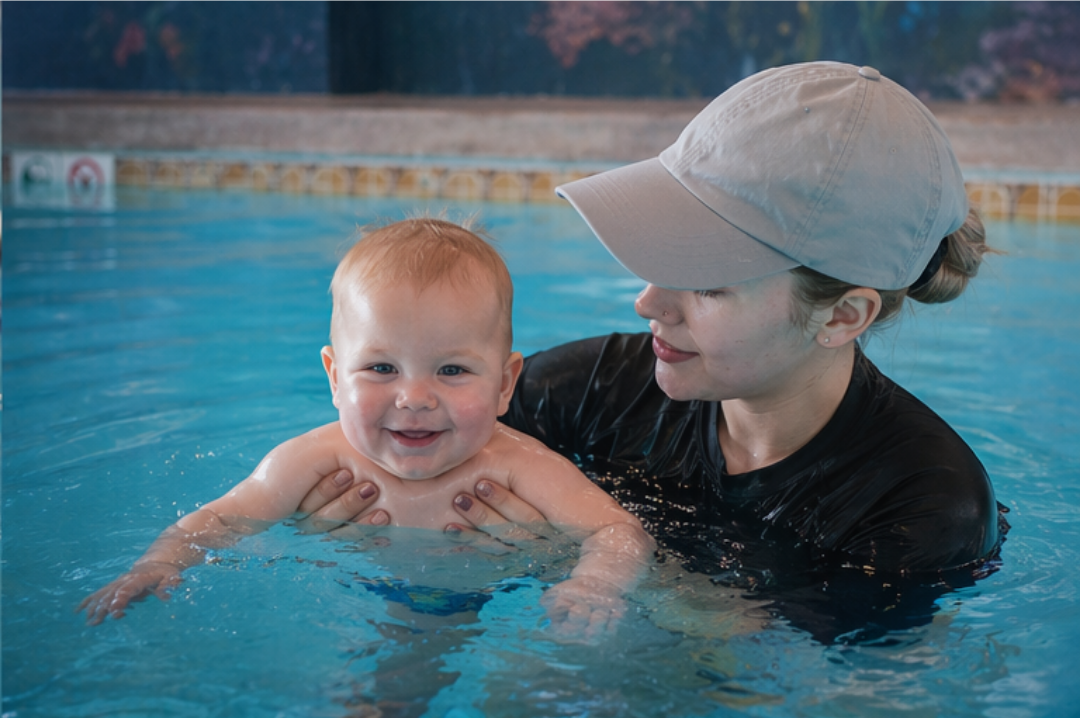
Many children can begin water introduction and parent-participation programs as infants, depending on developmental readiness and instructor recommendations.
Programs like Aqua Babies can help introduce:
- Water comfort
- Parent bonding
- Breath control foundations
- Early safety habits
Are parents involved during ISS lessons?
Yes. Parent involvement is an important part of the process.
While lesson structure varies by age and skill level, parents play a major role through:
- Communication
- Consistency
- Reinforcement at home
- Emotional support
- Water safety education
Does ISS replace supervision?
No.
No swim lesson program can replace active adult supervision.
ISS is one layer of protection within a complete water safety plan that should also include:
- Supervision
- Barriers
- CPR knowledge
- Emergency preparedness
How long does it take for children to learn survival swim skills?
Every child progresses differently based on:
- Age
- Emotional readiness
- Consistency
- Previous water exposure
- Lesson frequency
The focus should always remain on safe, steady progress rather than rushing milestones.
Why Water Safety Education Matters More Than Ever
According to the CDC, drowning remains one of the leading causes of accidental death for young children.
And many drowning incidents happen:
- Quickly
- Silently
- During non-swim times
- With adults nearby
That is why survival-focused swim education and parent involvement are so important.
At Little Fins Swim School, we believe water safety education should empower both children and families.
How Little Fins Swim School Supports Families Through ISS
Our ISS-inspired programs focus on:
- Swim–Float–Swim foundations
- Survival-first instruction
- Confidence-building teaching
- Parent education
- One-on-one instruction
- Developmentally appropriate learning
We work closely with families to help children become safer, stronger, and more confident around water.
Our mission:
“To save lives through water safety education and world-class swim instruction.”
Ready to Start Infant Survival Swim Lessons?
Whether your child is brand new to the water or continuing their swim journey, ISS can help provide life-saving foundational skills that last a lifetime.
Learn More About ISS and Swim Lessons at Little Fins Swim School